

A federal appeals court held that Colorado could withhold the ‘universal preschool’ money over Catholic teachings.
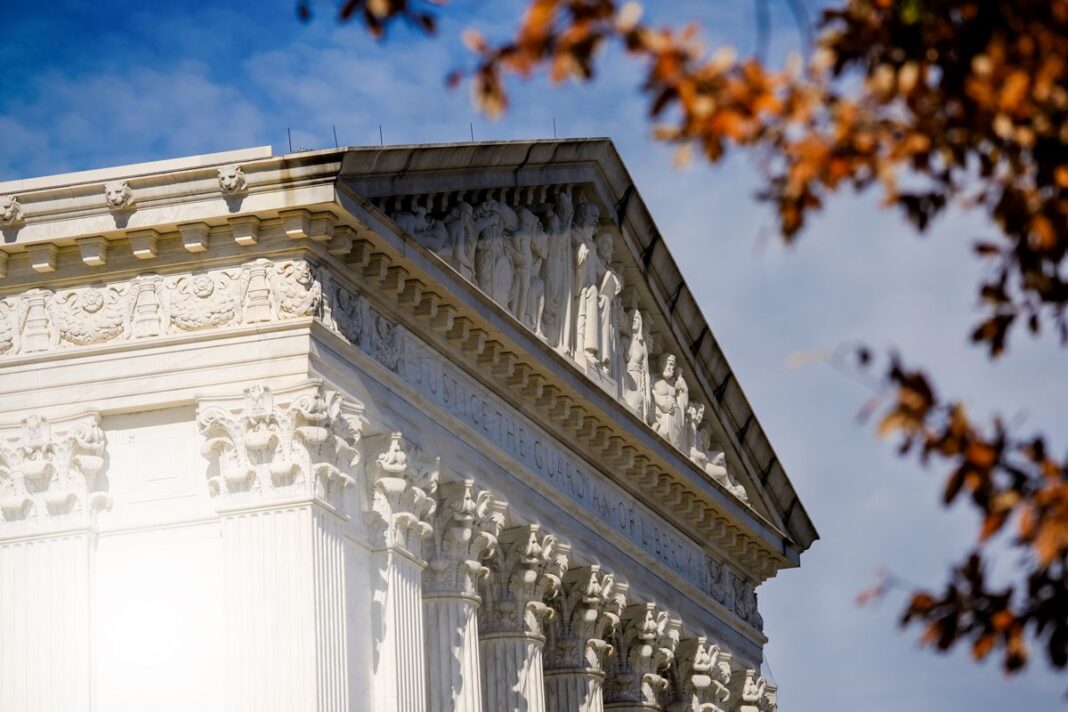
The U.S. Supreme Court on April 20 agreed to decide whether Colorado may decline to fund Catholic preschools.
The court granted the petition in St. Mary Catholic Parish v. Roy in an unsigned order. No justices dissented. The court did not explain its decision.
The case could help to redefine how states reconcile anti-discrimination laws with religious freedom.
Colorado’s so-called universal preschool program provides taxpayer funding for families to enroll their children at the preschool of their choice, whether public or private, according to the petition filed by the parish’s attorneys.
To participate, preschools must make sure that all families possess an “equal opportunity” to sign up regardless of religious affiliation, sexual orientation, gender identity, income level, or disability.
The state of Colorado allows various exemptions from this requirement that permit preschools to admit “children of color,” “gender-nonconforming children,” “the LGBTQ community,” low-income families, and children who have disabilities, the petition said.
“But Colorado excludes Catholic preschools because they admit only families who support Catholic beliefs, including on sex and gender,” it said.
The U.S. Court of Appeals for the 10th Circuit affirmed the state’s decision not to allow Catholic preschools to participate.
Applying a Supreme Court precedent known as Employment Division v. Smith (1990), the appeals court held that Colorado’s secular exemptions and discretion “did not undermine general applicability.”
By doing this, the appeals court threw its lot in with the minority position in a circuit split regarding what kinds of exemptions and discretion are considered to undermine general applicability, the petition said.
The case is expected to be heard in the court’s next session, which begins in October.
This is a developing story and will be updated.