

Fatih Birol suggested that building a new pipeline from Basra, Iraq, to Ceyhan, Turkey, could be an ‘extremely attractive’ proposition.
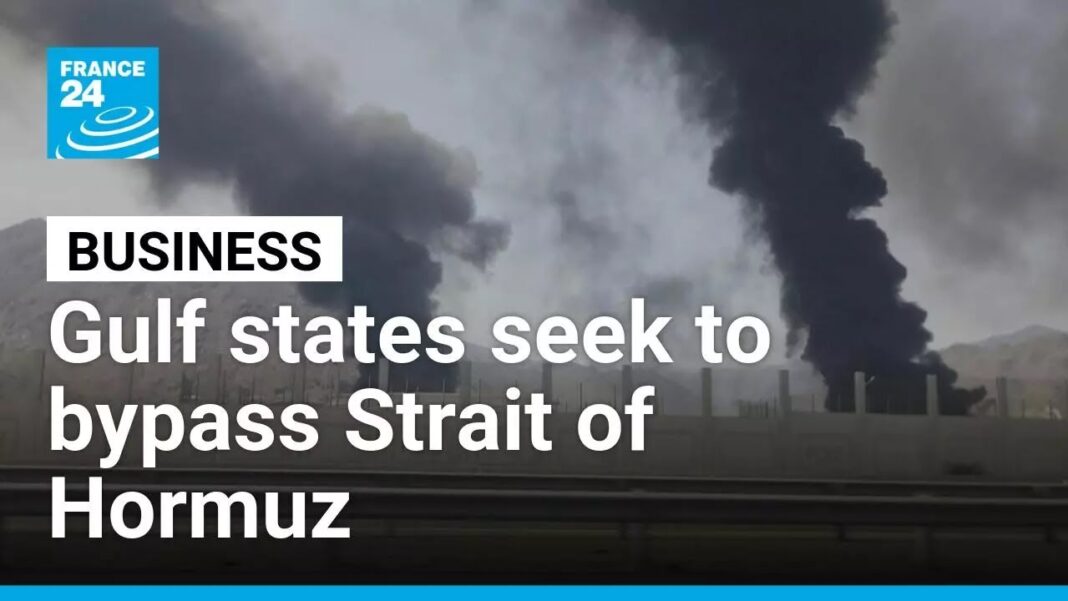
The head of the International Energy Agency (IEA) proposed building a new oil pipeline linking Iraq’s Basra oil fields and Turkey’s Mediterranean oil terminal in Ceyhan to bypass the currently blockaded Strait of Hormuz, in comments published on April 19.
IEA Executive Director Fatih Birol said he believed a “Basra-Ceyhan pipeline could be extremely attractive and a very important project for both Iraq and Turkey, as well as for regional supply security, especially from Europe’s perspective,” in an interview with Turkish newspaper Hurriyet.
“I also believe the financing issue can be overcome. Now is exactly the right time,” he said, according to a translation.
“The vase has been broken once, and it is very difficult to fix,” he added, referring to the Strait of Hormuz.
The strait is a crucial passageway located just south of Iran used to transport one-fifth of the world’s oil and gas, but has been choked off due to the ongoing hostilities between Washington and Tehran.
Before the war, most of the oil and gas that passed through the waterway went to Asia, while the United States and Europe bought about 3 percent and 4 percent, respectively, of the crude moving through the strait.
Birol, who is Turkish by birth, described such an oil pipeline as “a necessity for Iraq and an opportunity for Turkey,“ as well as ”a major opportunity for Europe in terms of supply security.”
“I think this should be considered a strategic project,” he said.
Iraq and Turkey already share the Kirkuk-Ceyhan pipeline, a strategic corridor for transporting crude oil from northern Iraq to the Turkish port of Ceyhan, which began operation in 1976 but has been out of service for more than a decade.
Exports via the 596-mile pipeline, which once handled about 0.5 percent of global supply, were halted in 2014 after repeated attacks by ISIS.
Iraq said last month that it was seeking to rehabilitate the pipeline to overcome export problems, with Iraqi Oil Minister Hayyan Abdul Ghani announcing on March 16 that Baghdad would complete an inspection of a 62-mile section of the pipeline within a week to enable direct exports from the Kirkuk region of Iraq.
The oil ministry said exports via that pipeline could initially reach around 250,000 barrels per day, rising to about 450,000, if crude from fields in the Kurdistan region is included.
By Guy Birchall