

Kennedy defended budget cuts, his agency’s actions on vaccines, and the administration’s efforts to crack down on health care fraud.
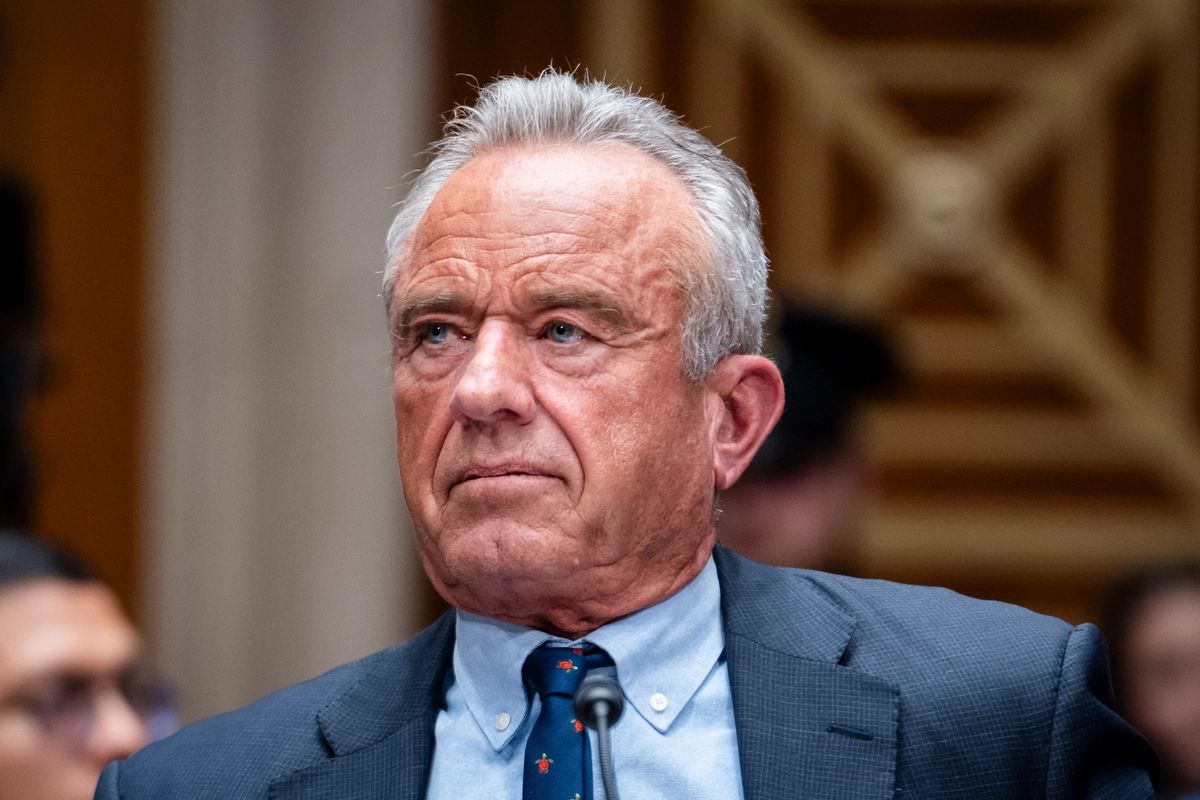
Health Secretary Robert F. Kennedy Jr. appeared before seven congressional committees in recent days, taking questions—and criticism—from dozens of lawmakers.
Here are key exchanges from the sessions.
- Budget Cuts Are Necessary
- Will Medicaid Be Cut?
- Approves of New CDC Director Nominee
- Doesn’t Bring Up Vaccines, but Pushes Back
- Highlights Efforts Against Fraud
- Plans to Revamp Task Force
- Declines to Provide Full Pricing Agreements
Budget Cuts Are Necessary
The White House has proposed a 12.5 percent cut to the budget of the Department of Health and Human Services (HHS), along with cuts to other agencies.
“All of those cuts are painful,” Kennedy said. “Nobody wants to do them.”
However, he said the cuts are necessary because of growing national debt.
While Democrats criticized the proposal, some Republicans, including Sen. Cindy Hyde-Smith (R-Miss.), said they support it.
“Thank you for making necessary cuts where we agree that they are definitely needed,” Hyde-Smith said.
Mass terminations in 2025 brought HHS from about 82,000 employees down to around 62,000. Kennedy said there are now 72,000 employees and that the agency plans to hire about 12,000 more people.
Kennedy said the terminations did not result in any issues, and that they were warranted, citing the high rates of chronic disease in the population and the prevalence of unhealthy food in Americans’ diets.
“It was their job to protect us, and they did not do it. They failed at their job,” Kennedy said. “If this was private industry, they would have all been fired. We did what we had to do to change the culture at these agencies.”
Rep. Steny Hoyer (D-Md.) said he disagreed with the firings.
“Essentially, most of us believe they were fired to reach a number, a lesser number,” he said.
Will Medicaid Be Cut?
The One Big Beautiful Bill Act, passed by Congress and signed by President Donald Trump in 2025, included tightening requirements for Medicaid, which provides health insurance to 83 million low-income people in the United States, according to health policy organization KFF.
As a result of the act, “the Republicans are going to cut Medicaid by $1 trillion over the next decade,” Rep. Rosa DeLauro (D-Conn.) said.
Other Democrats also decried the cuts.
Kennedy, though, said spending on Medicaid will actually continue growing in the coming years.
“We’re not cutting Medicaid,” he said.
He pointed to a recent Congressional Budget Office report that concluded the government spent $668 billion on Medicaid in 2025, and will spend more each year through 2036, when it will spend $981 billion.